

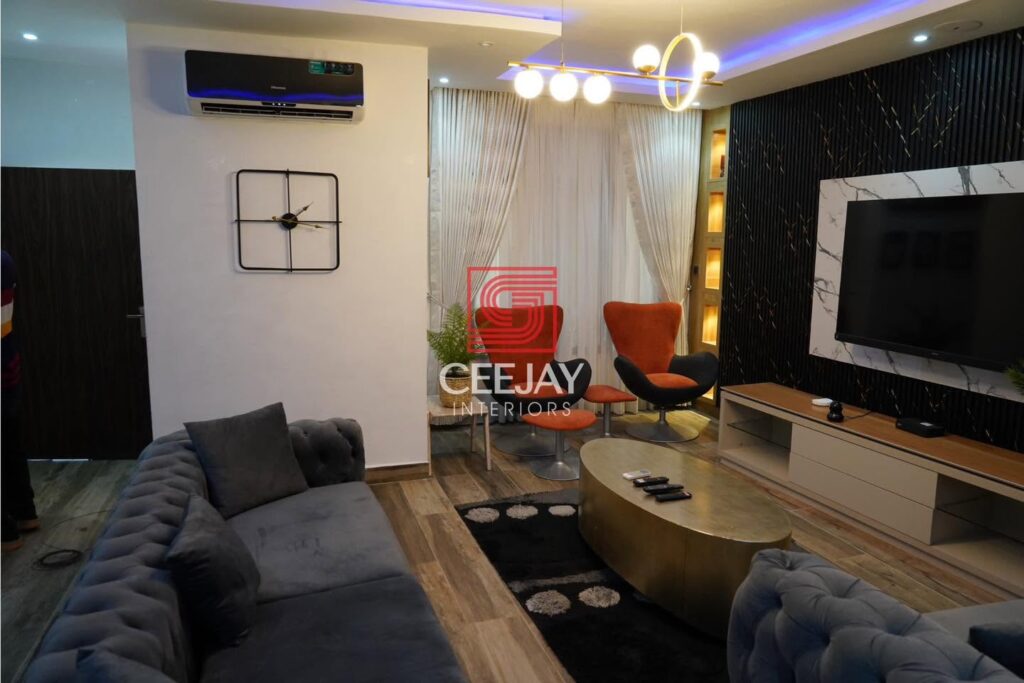
Great interior design is not always about the things that immediately catch your eye. Sometimes, what makes a room feel beautiful is something you barely notice at first. It could be the way a curtain falls, how much space is left between furniture, or how easily you can move around the room. These small decisions quietly shape how comfortable and polished a home feels.
This is why two rooms can have similar furniture and colours but still feel completely different. One feels balanced and welcoming, while the other feels crowded or unfinished. The difference often comes down to details that are easy to overlook.
If you want your home to look thoughtfully designed, it is worth paying attention to these smaller elements. They may not always be the most expensive parts of a room, but they can have a big impact on the final result.
Good Proportions Make a Room Feel Right
You can have beautiful furniture and still have a room that feels uncomfortable. One reason is proportion. A sofa that is too large for the room can make movement difficult, while furniture that is too small may leave the space looking empty and disconnected.
The same applies to curtains, rugs, artwork, and other decorative pieces. Everything should relate to the size of the room and to the other items around it. A large window, for example, may need fuller curtains to balance its scale rather than a small pair of panels that looks lost against the wall.
Before buying anything, consider the size of the space and what is already inside it. This simple step can prevent expensive decorating mistakes and help each piece feel like it belongs.
Curtains Can Change More Than You Think
Curtains are often treated as a finishing touch, but they can influence the entire appearance of a room. The right curtains can add softness, height, privacy, colour, and character without requiring major changes to the space. The wrong ones can have the opposite effect, making a room feel smaller or poorly finished.
Length and placement matter just as much as fabric. Floor-length curtains can create a taller appearance, while curtains installed at the right height can make a window look larger. Choosing a fabric that complements the furniture and wall colours also helps create a more connected look.
This is where professional guidance can make a real difference. At Ceejay Interiors, curtains are selected with the room as a whole in mind, helping homeowners create window treatments that complement their interior rather than simply covering the windows.
Empty Space Is Part of the Design
When decorating a home, it is tempting to fill every empty corner. A beautiful chair goes into one corner, a plant goes into another, and another decorative piece finds its way onto an already busy shelf. Eventually, the room has plenty of personality but very little breathing room.
Empty space is not wasted space. It gives your furniture room to stand out and makes movement around the room easier. It also creates visual balance, allowing the eye to rest instead of jumping from one decorative item to another.
You do not need to decorate every available surface to make your home feel complete. Sometimes, removing one or two unnecessary pieces can make the items you love look even better.
Lighting Should Work With Your Decor
Lighting is another element that often receives attention only after the main decorating decisions have been made. Yet the way a room is lit can completely change how colours, fabrics, furniture, and accessories appear.
Think about how the room looks during the morning, afternoon, and evening. A space that looks bright during the day may need warmer lighting at night to maintain the same welcoming atmosphere. Lamps, ceiling fixtures, wall lights, and carefully positioned window treatments can all work together to create a more comfortable environment.
Good lighting does not have to be complicated. The important thing is making sure it supports the way you actually use the room.
Texture Gives a Room More Personality
Colour is usually one of the first things people consider when decorating, but texture deserves just as much attention. A room filled with smooth surfaces can sometimes feel flat, even when the colours are beautiful.
Adding different textures creates depth. Curtains, cushions, rugs, wooden furniture, woven accessories, and soft upholstery can all contribute to this effect. You do not need to use many different colours to make a room interesting when the textures are working together.
This is particularly useful when you prefer neutral interiors. Cream, beige, white, brown, and grey can look sophisticated when different materials and textures are layered thoughtfully.
The Way Furniture Is Arranged Matters
Buying beautiful furniture is only half the job. Where you place it can determine whether the room feels spacious and functional or crowded and awkward.
Furniture should encourage conversation and make movement easy. In a living room, for example, seating should ideally face each other rather than being pushed against every available wall simply because there is space there.
Do not be afraid to move things around until the room feels comfortable. Sometimes the solution to a room that feels “wrong” is not buying something new but changing the position of what you already have.
Accessories Should Tell a Story
Decorative accessories are more meaningful when they reflect the people who live in the home. Family photographs, artwork, books, travel pieces, handmade items, and carefully selected ornaments can make a room feel personal rather than copied from a showroom.
However, there is a difference between personal and cluttered. Choose pieces that you genuinely like and give them enough space to be appreciated. A few well-placed accessories can have more impact than a large collection competing for attention.
Your home should look like somewhere people actually live, not like a catalogue where every surface has been filled.
The Finishing Details Matter
Sometimes, the room is almost perfect but still feels incomplete. The missing element may be something as simple as properly installed curtain hardware, neatly arranged cushions, matching finishes, or artwork positioned at the right height.
These details are easy to overlook because they are not always dramatic. Yet they contribute to the sense that a room has been carefully considered from beginning to end.
This is why professional finishing can make such a noticeable difference. At Ceejay Interiors, attention goes beyond selecting beautiful curtains. The right accessories, measurements, fabric choices, and installation all work together to give the finished space a polished appearance.
Quick Design Checklist
Before you consider a room finished, take a moment to check:
- Is the furniture the right size for the room?
- Can people move around comfortably?
- Do the curtains complement the rest of the decor?
- Is there enough empty space?
- Are different textures working together?
- Does the lighting suit the way you use the room?
- Do your accessories add personality without creating clutter?
Conclusion
Great interior design is often found in the details people overlook. The right proportions, thoughtful furniture placement, beautiful textures, well-designed curtains, suitable lighting, and carefully chosen accessories can completely change how a room feels.
You do not always need to renovate your entire home to create a better interior. Sometimes, the biggest improvement comes from paying attention to the small things that were overlooked the first time. If you need help creating beautifully finished spaces, Ceejay Interiors offers curtains, curtain accessories, and home decor solutions designed to bring your interior vision together.
