

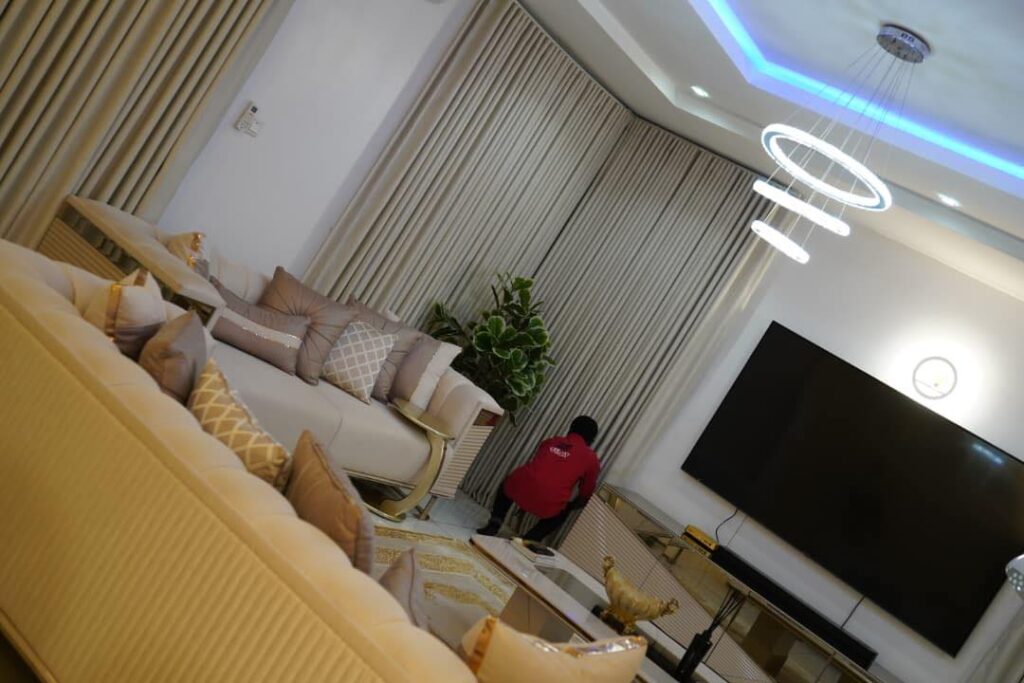
Not every home improvement needs a huge budget to make a noticeable difference. Sometimes, a fresh coat of paint, better lighting, or beautifully fitted curtains can transform a space more effectively than an expensive renovation. The secret is knowing which improvements will make your home more comfortable, attractive, and practical in the long run. When every naira counts, the goal should be to spend wisely rather than simply spend more.
Whether you own a home in Abuja, rent an apartment in Lagos, or are furnishing a new property elsewhere in Nigeria, the right upgrades can improve your everyday living experience. Some improvements make your home more enjoyable, while others can help protect your property or appeal to future buyers and tenants. Here are some home improvements worth considering if you want to get real value for your money.
1. Give Your Walls a Fresh Look
A fresh coat of paint is one of the simplest ways to make a home feel new without spending a fortune. Faded walls, peeling paint, and outdated colours can make even a well-furnished room look neglected. Choosing colours that complement your furniture and flooring creates a cleaner, more coordinated appearance. Neutral shades such as warm white, beige, and soft grey are versatile options, while carefully chosen accent colours can add personality.
Before painting, repair cracks, fill small holes, and prepare the walls properly to achieve a smooth finish. Buying quality paint and hiring a reliable painter can also save you from frequent repainting and unnecessary expenses. You don’t have to repaint every room at once; start with the areas that need the most attention.
2. Upgrade Your Curtains and Window Treatments
Curtains do more than cover windows; they influence the entire appearance of a room. The right design can make ceilings look taller, furniture feel more coordinated, and an ordinary living room appear more polished. Poorly fitted curtains, on the other hand, can make an otherwise beautiful space feel unfinished. This makes window treatments one of the most noticeable improvements you can make without renovating your home.
Choose curtain fabrics, colours, and styles that suit the room’s purpose. Bedrooms may benefit from blackout curtains for greater darkness and privacy, while living rooms may look better with layered sheers and decorative drapes. Accurate measurements and proper installation are equally important because even expensive fabric can look disappointing when it is poorly fitted.
If your windows need a refresh, Ceejay Interiors can help you explore custom curtains, curtain accessories, and decor solutions suited to your home and budget. Investing in the right window treatments can give your rooms a more complete look while improving everyday comfort.
3. Improve Your Lighting
Lighting can change how a room looks and feels, even when nothing else has changed. A poorly lit room may appear dull, while harsh lighting can make it feel uncomfortable. Replacing outdated light fittings, adding bedside lamps, or installing suitable task lighting can make everyday activities more enjoyable. These upgrades can also highlight your favourite furniture, artwork, and decorative features.
Think about how you use each room before choosing your lighting. Kitchens and workspaces need practical illumination, while bedrooms and sitting rooms often benefit from softer, warmer lighting. Where possible, choose energy-efficient bulbs to help reduce electricity consumption over time.
4. Refresh Old Furniture Instead of Replacing Everything
Buying new furniture can be expensive, especially when several rooms need attention. Before discarding an old sofa, dining table, or wardrobe, consider whether it can be repaired or refreshed. Reupholstering a sofa, polishing wooden furniture, changing cabinet handles, or repainting a worn table can give familiar pieces a completely different appearance. This approach allows you to improve your home without committing to the cost of replacing everything.
Start by identifying furniture that is still sturdy and functional but looks outdated. Choose finishes and fabrics that work with your current decor, and avoid spending heavily on repairs when the item has serious structural damage. A few carefully selected updates can make your existing furniture feel more intentional and coordinated.
5. Make Your Kitchen More Functional
A kitchen does not need imported cabinets or expensive appliances to work well. Often, the biggest improvement comes from making the space easier to use and maintain. Organising storage, replacing damaged handles, improving task lighting, and repairing leaking taps can make a noticeable difference. Keeping countertops clear also creates a cleaner appearance without requiring a major renovation.
Before spending money on a kitchen makeover, identify what frustrates you most about the space. If storage is the problem, consider drawer organisers, shelves, or practical storage containers before replacing entire cabinets. If surfaces are damaged, prioritise repairs that protect the kitchen from further deterioration.
6. Fix Small Problems Before They Become Expensive
A dripping tap, loose door handle, leaking roof, or damaged electrical fitting may seem like a minor inconvenience. However, ignoring small problems can lead to larger repairs and higher costs later. Water leaks, for example, can damage walls, ceilings, furniture, and flooring if left unattended. Regular maintenance is one of the most practical ways to protect the money you have already invested in your home.
Create a simple maintenance checklist and inspect your home regularly. Address plumbing and electrical problems promptly, and use qualified professionals for work that requires technical expertise. Although maintenance may not deliver the dramatic visual change of a makeover, it can prevent avoidable expenses and keep your home safe and functional.
7. Add Storage That Reduces Clutter
A beautiful home is easier to maintain when everything has a place. Shoes scattered near the entrance, crowded countertops, and overflowing wardrobes can make rooms feel smaller and less organised. Practical storage solutions help you use your available space more efficiently without necessarily increasing the size of your home. Even small additions, such as baskets, shelving, and under-bed storage, can improve everyday organisation.
Choose storage based on your household’s actual needs rather than buying containers simply because they look attractive. In smaller apartments, consider vertical shelving and multifunctional furniture to make better use of limited floor space. Keeping frequently used items accessible while storing occasional items neatly away can make your home feel calmer and easier to manage.
8. Improve Your Bathroom Without a Complete Renovation
A bathroom makeover does not always require replacing every tile or fitting. Fixing leaking taps, renewing worn sealant, improving ventilation, and replacing damaged accessories can make the space feel cleaner and more comfortable. A new mirror, coordinated towel holders, and better storage can also create a more finished appearance. These smaller upgrades are particularly useful when the existing bathroom is functional but looks tired.
Prioritise repairs that prevent moisture damage and keep the space hygienic. Choose materials and fittings that can withstand regular water exposure, and ensure that any ventilation problems are addressed properly. If your budget is limited, handle essential repairs first before spending on decorative upgrades.
9. Choose Improvements That Suit Your Lifestyle
The best home improvement is not necessarily the one that looks most impressive on social media. It is the one that solves a real problem in your daily life. A family with young children may benefit from durable fabrics and easy-to-clean surfaces, while someone who works from home may need better lighting, comfortable seating, and an organised workspace. Your priorities should reflect how you actually use your home.
Before starting any project, list the improvements you want to make and rank them by urgency, cost, and expected benefit. Get quotations where necessary and set aside a contingency amount for unexpected expenses. This approach helps you avoid impulse purchases and focus on upgrades that deliver meaningful value.
Conclusion
Improving your home is not about spending the most money; it is about making thoughtful choices that improve comfort, appearance, and functionality. From refreshing your walls and upgrading your curtains to fixing small repairs and improving storage, several worthwhile improvements can be achieved without undertaking a major renovation. Start with the changes that matter most to your household, plan your budget carefully, and build on your progress over time.
If you’re looking to give your interiors a more refined appearance, Ceejay Interiors can help you find curtains, accessories, and decor solutions that bring your vision together. Sometimes, the right finishing touches are all it takes to make a familiar space feel new again.
