

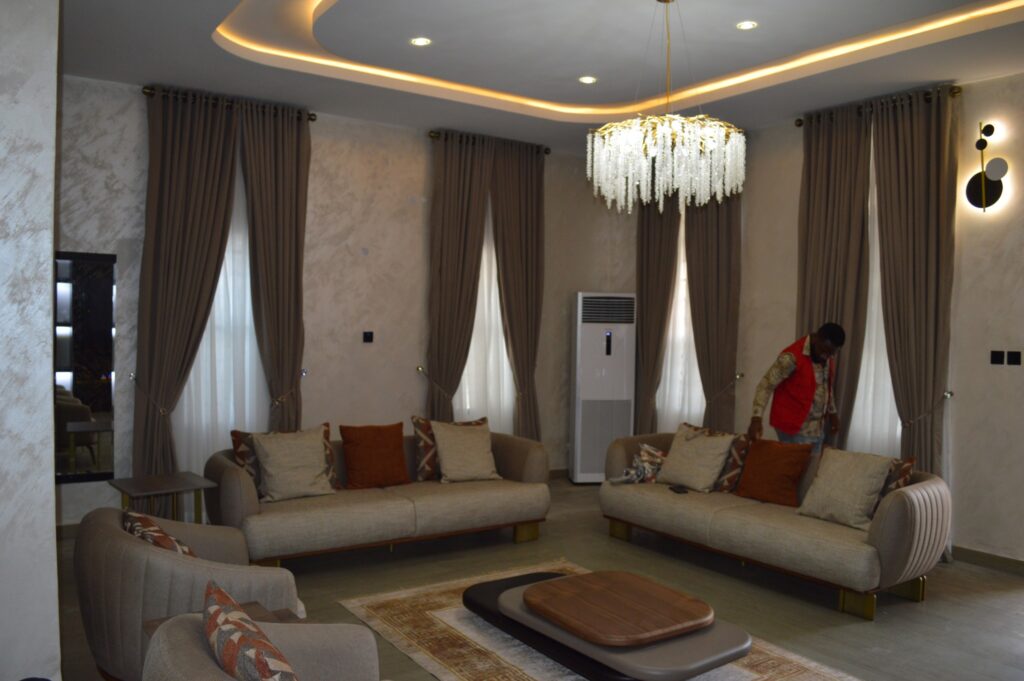
After a long day, home should feel different from everywhere else. Work may demand your attention, traffic may test your patience, and daily responsibilities may leave you looking forward to one simple thing, getting home and finally being able to breathe. A relaxing home does not have to be large, expensive, or filled with luxury furniture. Sometimes, it is the small design choices that make a room feel calm, comfortable, and truly yours.
The good news is that creating this kind of space does not require a complete home makeover. You can start with one room, one corner, or even a few simple changes that make your surroundings feel more peaceful. From the curtains you choose to the way you arrange your furniture, every detail can contribute to how you feel when you come home.
Start by Creating a Space That Feels Unhurried
A relaxing room should not make you feel like you have another task to complete. When furniture is overcrowded, surfaces are covered with unnecessary items, and everything feels visually busy, it becomes harder to switch off after a demanding day. Give the room some breathing space by keeping only the things you genuinely need and enjoy. A clean and organised environment can make settling down at home feel much easier.
This does not mean your home needs to look empty or overly minimalist. Personal photographs, artwork, books, decorative pieces, and other meaningful items can make a space feel warm and lived-in. The key is knowing what belongs in the room and what simply adds clutter. When everything has its place, your home becomes easier to enjoy rather than another source of stress.
Choose Colours That Help You Unwind
Colour can change the mood of a room without changing anything else. Soft neutrals, warm earth tones, muted greens, gentle blues, and other understated shades can create a calm atmosphere. You do not have to repaint your entire home to introduce these colours either. Curtains, cushions, rugs, artwork, and other accessories can bring a softer palette into your space.
If your living room already has strong colours, you can balance them with quieter tones around the windows and seating areas. This creates a more relaxed visual experience without removing the personality from the room. The goal is not to follow a particular colour trend but to choose shades that make you feel comfortable when you spend time around them.
Let Your Curtains Set the Mood
Curtains can do much more than dress your windows. They can soften a room, provide privacy, control how much outside activity you see, and create a warmer atmosphere when you want to relax. After a busy day, having the ability to close your curtains and create a sense of privacy can make your home feel like a true retreat.
The fabric also matters. Soft, flowing curtains can create a relaxed feel, while heavier fabrics can give a room a cosier and more intimate appearance. For bedrooms and spaces where you want stronger privacy, blackout curtains can also be useful. At Ceejay Interiors, you can find curtain styles and accessories that can be tailored to the mood, function, and character of your space.
Give Yourself a Comfortable Place to Sit
A relaxing room needs somewhere you actually want to sit. It could be your favourite sofa, a comfortable armchair, or a small reading corner where you can spend a few quiet minutes after work. The important thing is that the space supports relaxation rather than simply filling an empty part of the room.
Think about what you naturally enjoy doing when you have free time. If you like watching movies, make your seating comfortable and position it for easy viewing. If you prefer reading, create a quiet corner with good lighting and a small table for your book or drink. Designing around your real habits makes your home more enjoyable than simply copying a room from a catalogue.
Keep the Evening Lighting Soft
Bright overhead lighting may be useful when you are cleaning, working, or searching for something, but it is not always the best choice when you are trying to relax. Softer lighting can make the room feel warmer and more comfortable as the evening progresses. Table lamps, floor lamps, wall lights, and carefully positioned decorative lighting can all help create a gentler atmosphere.
You can also use your curtains and lighting together to change the mood of the room. Closing the curtains in the evening and switching to softer lamps can create a clear transition between the outside world and your personal time. These simple rituals can make your home feel more intentional without requiring expensive changes.
Bring in Details That Make the Room Feel Like You
A relaxing home should not look like a showroom. It should reflect the person who lives there. Your favourite artwork, a family photograph, a beautiful vase, a treasured book, or even a particular scent can make a room feel more personal and comforting.
Think about the things that naturally make you happy when you see them. If a particular texture feels comforting, introduce it through cushions, throws, rugs, or curtains. If you enjoy greenery, add a few plants where they can thrive. The most relaxing spaces are usually not the most decorated ones; they are the ones that feel familiar and personal.
Don’t Forget the Bedroom
Your bedroom deserves special attention because it is where the day should finally slow down. Keep unnecessary work materials away from the bed where possible, reduce visual clutter, and choose bedding and curtains that create a comfortable atmosphere. Your window treatments can also help by providing privacy and reducing unwanted light when you need to rest.
Small changes can make a noticeable difference. A properly dressed window, comfortable bedding, soft lighting, and an organised bedside area can make the bedroom feel more peaceful. You do not need to redesign everything at once; focus on creating an environment that encourages you to leave the day’s worries outside the room.
Designer’s Tip
Do not decorate your home only for the people who visit it. Design it for the person who comes home tired, removes their shoes, sits down, and needs somewhere to recover from the day. Your home should support your lifestyle, not simply look good in photographs. When comfort and beauty work together, you create a space that you will appreciate every day.
Quick Relaxation Design Checklist
Before making changes to your space, consider these simple questions:
- Is the room too cluttered?
- Do the colours make the space feel comfortable?
- Are the curtains providing enough privacy?
- Do I have a genuinely comfortable place to sit?
- Is the evening lighting too harsh?
- Are there personal items that make the room feel like mine?
- Does my bedroom encourage rest?
Conclusion
You do not need a completely new home to create a more relaxing one. Start by paying attention to the spaces you use after work and make small changes that improve how they feel. Comfortable furniture, calming colours, thoughtfully chosen curtains, softer lighting, and personal details can turn an ordinary room into a place you genuinely look forward to returning to.
At Ceejay Interiors, we believe beautiful interiors should also make everyday life better. Whether you are refreshing one room or designing your entire home, the right curtains, accessories, and decor can help create a space that feels comfortable from the moment you walk through the door.
