

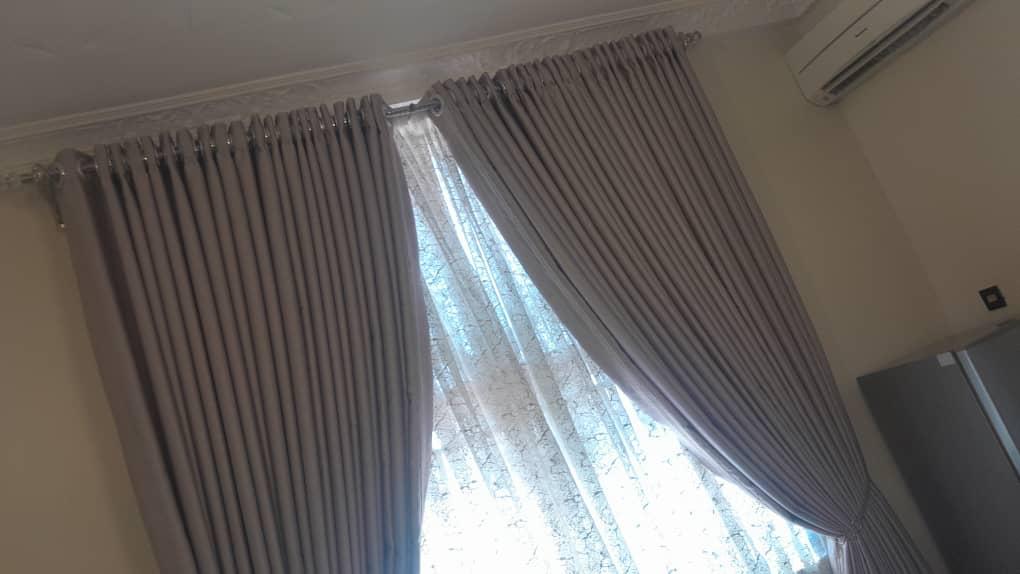
Walk into two homes with the exact same furniture, wall paint, flooring, and décor, and one may feel warm, balanced, and inviting while the other feels uncomfortable, dull, or glaringly bright.
The difference is often not the furniture.
It is the light.
More specifically, it is how the curtains interact with natural light throughout the day.
Most homeowners choose curtains based on color, fabric, trends, or what catches their eye in a showroom. Very few stop to consider one of the most important factors in interior design: the direction their windows face.
A curtain that looks stunning in a showroom may perform terribly in a room flooded with afternoon sunlight. Likewise, a beautiful lightweight curtain may leave a north-facing room feeling gloomy and lifeless.
Understanding how sunlight moves through your home changes everything. It helps you select curtains that improve comfort, enhance aesthetics, protect your interiors, and even reduce energy costs.
If you’ve ever wondered why a room feels too hot, too dark, or simply “off,” your curtains and window orientation may be the answer.
Let’s explore how to choose the perfect curtains based on lighting direction.
Why Lighting Direction Matters More Than You Think
Natural light is not constant.
It changes throughout the day. It changes with the seasons. It changes depending on the direction a window faces.
The amount of sunlight entering a room influences temperature, color perception, fabric durability, privacy, and overall atmosphere.
A curtain that performs beautifully on one side of a home may become completely ineffective on another.
Professional interior decorators understand this principle well. It is one of the reasons why two homes with similar décor can have dramatically different results.
Before choosing curtains, the first question should not be “What color do I like?”
The first question should be “Which direction does this window face?”
Once you answer that, everything else becomes easier.
South-Facing Windows: Managing Abundant Sunlight
South-facing windows typically receive the most sunlight throughout the day.
These rooms are often bright, cheerful, and warm. While that sounds ideal, excessive sunlight can create challenges.
Furniture fades faster.
Flooring loses color over time.
Rooms become hotter.
Television screens experience glare.
Choosing the right curtains becomes essential.
For south-facing rooms, consider:
- Blackout curtains
- Thermal curtains
- Layered curtain systems
- UV-resistant fabrics
- Heavier materials like velvet or lined drapery
Light-colored curtains work particularly well because they reflect sunlight instead of absorbing heat.
If maintaining brightness is important, layering sheer curtains behind heavier drapes gives you flexibility throughout the day.
Many homeowners are surprised by how much room temperature can improve simply by upgrading curtain quality.
At Ceejay Interiors, clients frequently discover that custom-made curtains designed for sun-intensive spaces offer significantly better comfort than generic ready-made alternatives.
North-Facing Windows: Inviting More Light In
North-facing rooms generally receive softer and more consistent daylight. While this creates fewer glare problems, it can sometimes make spaces feel cooler and less vibrant. The objective here is not blocking light. It is maximizing it.
Heavy blackout curtains may make these rooms feel unnecessarily dark.
Instead, consider:
- Light-filtering curtains
- Sheer curtains
- Linen fabrics
- Light-colored materials
- Soft neutral tones
Cream, ivory, beige, soft gold, and warm whites work exceptionally well because they help bounce available light around the room.
A simple design adjustment can completely transform how spacious and welcoming a north-facing room feels.
Many interior designers use this approach when styling apartments where maximizing natural brightness is a priority.
East-Facing Windows: Embracing the Morning Glow
East-facing windows are nature’s alarm clock. They receive beautiful morning sunlight and gradually become less intense as the day progresses.
Bedrooms with east-facing windows often enjoy refreshing early daylight but can become uncomfortably bright for those who prefer sleeping late.
The ideal curtain solution depends on how the room is used.
For bedrooms:
- Blackout curtains
- Room-darkening curtains
- Dual-layer curtain systems
For living rooms:
- Light-filtering curtains
- Elegant sheers
- Medium-weight drapery
The goal is to enjoy the beauty of the morning sun while maintaining control over brightness when necessary.
Layered curtain systems are particularly effective because they provide flexibility. You can enjoy soft morning light when desired and create privacy or darkness when needed.
West-Facing Windows: Battling the Afternoon Heat
West-facing windows present one of the biggest challenges in home design.
The afternoon sun can be intense.
Rooms become warmer.
Glare increases.
Cooling costs rise.
Furniture and fabrics experience accelerated fading.
This is where curtain quality matters most.
For west-facing spaces, prioritize:
- Blackout curtains
- Thermal-lined drapes
- Thick woven fabrics
- UV-protective materials
- Multi-layer window treatments
Darker colors can absorb heat, so lighter shades with thermal backing often produce better results.
This combination blocks sunlight while helping maintain comfortable indoor temperatures.
Many homeowners spend substantial amounts on cooling systems while overlooking the impact properly selected curtains can have on energy efficiency.
A professionally designed curtain solution often delivers immediate improvements in comfort.
The Role of Fabric in Light Control
- Curtain fabric is not just about appearance.
- It directly affects how light behaves within a room.
- Sheer fabrics diffuse sunlight beautifully, creating soft illumination.
- Linen allows natural light while maintaining a relaxed aesthetic.
- Cotton provides moderate filtering.
- Velvet offers superior light blocking and insulation.
- Layered fabrics provide maximum versatility.
- Choosing fabric without considering lighting direction is like buying shoes without knowing your size.
- The material must match the environment. This is one reason custom curtain consultations are invaluable. Professionals evaluate both aesthetic preferences and practical requirements before recommending solutions.
Color Choices and Light Interaction
Color behaves differently depending on sunlight exposure.
A curtain that appears soft grey in a showroom may look dramatically different when installed in a bright south-facing room. Natural light influences how colors are perceived.
For brighter rooms:
- Cool neutrals work well
- Soft greys remain balanced
- Light earth tones reduce visual intensity
For darker rooms:
- Warm neutrals add comfort
- Creams enhance brightness
- Soft gold tones increase warmth
Always evaluate curtain colors in relation to the room’s lighting direction.
What works beautifully in one room may feel completely wrong in another.
Layering Curtains: The Professional Secret
One design strategy consistently used by experienced decorators is layering.
Layering combines beauty with functionality.
A typical setup includes:
- Sheer inner curtains
- Decorative outer drapes
This approach allows homeowners to adjust privacy, brightness, and ambiance throughout the day.
Morning light can be softened.
Afternoon glare can be controlled.
Evening privacy can be achieved effortlessly.
Layering also adds visual depth, making rooms feel more luxurious and professionally designed.
It’s one of the easiest ways to elevate a space without major renovations.
Common Mistakes Homeowners Make
Many curtain problems stem from simple mistakes.
Choosing curtains solely based on color.
Ignoring window orientation.
Selecting fabrics that are too heavy or too light.
Failing to account for heat exposure.
Purchasing ready-made curtains that don’t properly fit the window.
These mistakes often lead to dissatisfaction despite significant spending.
The smartest approach is considering function before fashion.
Once the practical requirements are understood, aesthetic decisions become much easier.
Creating a Home That Works With Nature
The best interiors do not fight natural light.
They work with it.
When curtains are chosen according to lighting direction, every room becomes more comfortable, beautiful, and efficient.
Morning sunlight feels intentional.
Afternoon heat becomes manageable.
Dark spaces feel brighter.
Bright spaces feel balanced.
This is the difference between decorating a room and designing one.
At Ceejay Interiors, every curtain solution is approached with this philosophy. Instead of offering one-size-fits-all recommendations, the focus is on understanding how each room functions, how light enters the space, and how custom curtain solutions can enhance both comfort and style.
Whether you’re furnishing a new home, renovating an existing space, styling a short-let apartment, upgrading an office, or simply replacing outdated window treatments, choosing curtains based on lighting direction is one of the smartest design decisions you can make.
Your windows already know where the sun is going.
Your curtains should too.
Conclusion
Curtains are more than decorative accessories.
They influence light, temperature, comfort, privacy, mood, and energy efficiency.
Before choosing your next set of curtains, pause and observe how sunlight interacts with your space throughout the day.
Notice where it enters.
Notice when it becomes strongest.
Notice how the room changes from morning to evening.
Then select curtains designed specifically for that environment.
The result is a home that not only looks beautiful but feels right every single day.
If you’re unsure which curtain style, fabric, or layering option is best for your home’s lighting conditions, the experts at Ceejay Interiors can help you create a customized solution that blends functionality with timeless elegance, ensuring every room performs as beautifully as it looks.
