

A beautiful home does not usually come together by accident. The rooms that feel comfortable, balanced, and well put together often have one thing in common: someone planned the details before buying everything. Good planning helps you know what you need, what you can afford, and what will actually work in your space. It also saves you from making expensive decisions that you may regret later.
Interior design is not simply about choosing beautiful furniture and colours. It is about making those choices work together while still creating a home that feels like you. When you plan properly, you can achieve a stylish space without buying everything at once or following every trend you see online.
Start With How You Want the Home to Feel
Before choosing colours or shopping for furniture, think about the feeling you want your home to have. Do you want it calm and cosy, bright and modern, warm and welcoming, or elegant and sophisticated? Having this clear picture makes it easier to make decisions later because you have something to guide you.
Your lifestyle matters too. A home for a busy family will need different solutions from a home designed for someone who loves entertaining guests. Think about how each room will be used, who will use it, and what needs to be easy to maintain. Good design should look beautiful, but it should also make everyday life easier.
Know Your Space Before You Buy
One of the easiest ways to make a room feel crowded is to buy furniture without measuring first. A sofa that looks perfect in a showroom may be far too large for your living room. The same applies to beds, dining tables, cabinets, curtains, and other major pieces.
Take measurements of your rooms, windows, doors, and available wall space before making major purchases. Keep those measurements somewhere accessible when shopping, especially if you are buying online. A few minutes with a measuring tape can save you from an expensive mistake.
Create a Budget That Makes Sense
A beautiful interior does not have to mean spending without limits. The smarter approach is to decide how much you can comfortably spend and then divide the budget according to what matters most. This helps you avoid using too much money on one feature while leaving important parts of the room unfinished.
It is also wise to leave some room for unexpected expenses. Installation, delivery, accessories, fittings, and small finishing details can add up quickly. When these costs are included from the beginning, the entire project becomes easier to manage.
Choose the Big Pieces First
Start with the items that will have the biggest visual and practical impact. This may include your sofa, bed, dining set, flooring, built-in storage, or curtains. Once these pieces are decided, smaller items such as cushions, artwork, rugs, and decorative accessories become much easier to choose.
This approach also prevents the room from becoming a collection of unrelated items. Instead of buying things simply because you like them individually, you can ask whether each piece works with what you already have. The result is usually a space that feels more organised and intentional.
Do Not Leave Your Windows Until the End
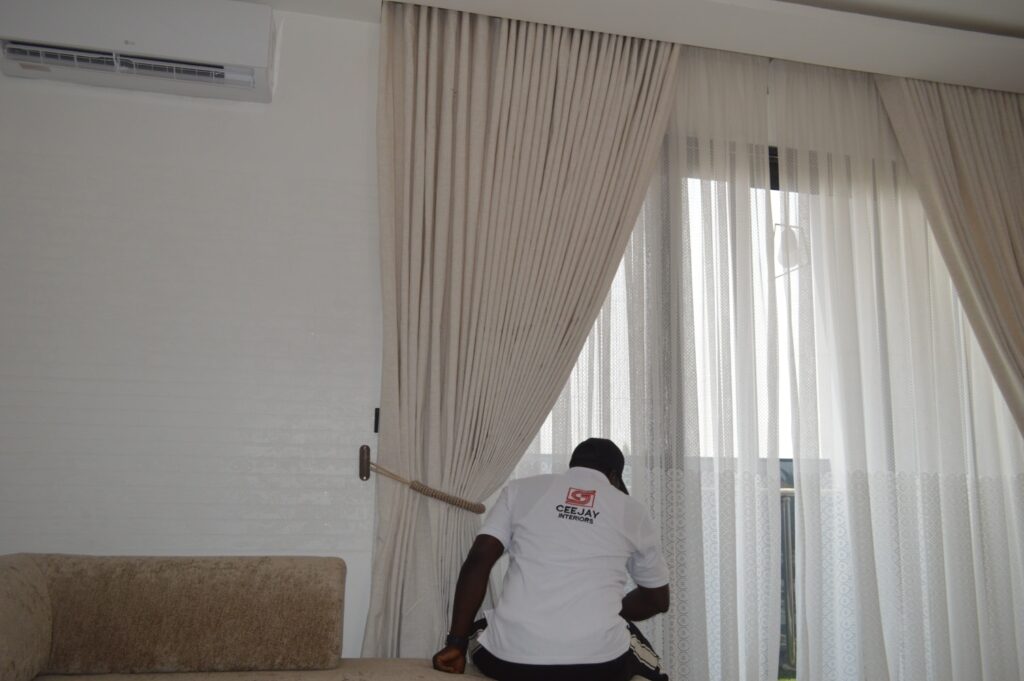
Windows are easy to overlook during interior planning, but they have a major effect on how a room looks and feels. The right curtains can add softness, create privacy, improve the proportions of a room, and bring your colour scheme together. The wrong ones can make an otherwise beautiful space feel unfinished.
Think about your window treatments alongside your furniture and wall finishes rather than treating them as a final purchase. Consider the curtain length, fabric, colour, hardware, and how much privacy the room needs. At Ceejay Interiors, these details are carefully considered to create curtains that complement the space rather than simply cover the windows.
Choose a Colour Direction
You do not need to use the same colour throughout your home. What you need is a sense of connection between the different rooms. Choosing a simple colour direction makes it easier to combine furniture, curtains, rugs, artwork, and accessories without creating visual confusion.
Start with a few colours that you genuinely enjoy and build around them. Neutral shades can provide a calm foundation, while deeper or brighter tones can be introduced through selected pieces. The goal is not to follow a colour trend but to create a palette that you will still enjoy living with.
Leave Room for Your Personality
A perfectly styled home can still feel cold if there is nothing personal about it. Your home should reflect the people who live there, whether through artwork, family photographs, books, travel pieces, favourite colours, or objects with sentimental value. These details are what make a space feel lived in rather than copied from a showroom.
You also do not have to complete everything immediately. Some of the best interiors evolve gradually as homeowners discover what works for them. Give yourself permission to leave some spaces unfinished while you find pieces that genuinely belong there.
Think About Quality Before Trends
Trends can be useful for inspiration, but they should not control every design decision. Something may look beautiful online today and feel outdated a few years later. When choosing major items, focus on quality, comfort, durability, and whether the style fits your home.
This is especially important for items you use every day. Good curtains, furniture, fittings, and other key pieces should be selected with both appearance and performance in mind. Spending wisely on fewer quality items can often create a better result than filling the room with cheaper alternatives.
Get Professional Help When You Need It
Planning your interior yourself can be enjoyable, but there are moments when professional guidance can save you time, money, and frustration. An experienced interior decoration team can help you make better decisions about measurements, materials, colours, proportions, and installation. This is particularly useful when several design elements need to work together.
You do not have to hand over your entire project to a professional to benefit from their expertise. Sometimes, a consultation or help with one important area, such as curtains and window treatments, is enough to improve the final result. Ceejay Interiors helps homeowners create practical and beautiful window solutions that fit their homes, style, and everyday needs.
The Smartest Design Is the One You Can Live With
Interior design should not be a race to create the most impressive room. It should be about creating a space that looks good, functions well, and feels comfortable long after the excitement of decorating has passed. Planning gives you the opportunity to make thoughtful choices instead of expensive guesses.
Take your time, measure your space, set a realistic budget, choose your key pieces carefully, and remember the details that are easy to overlook. Most importantly, design your home for the life you actually live. When every choice has a purpose, creating a beautiful home becomes much simpler.
Quick Design Checklist
Before starting your next interior project, remember to:
- Define the feeling you want for each room.
- Measure your space before buying major items.
- Set a realistic budget and allow for extra costs.
- Choose key furniture and window treatments early.
- Create a simple colour direction.
- Prioritise quality over short-lived trends.
- Leave room for personal touches.
- Seek professional advice where necessary.
Conclusion
Smart interior design is not about buying more. It is about making better decisions with the space, budget, and lifestyle you already have. Plan before you purchase, think about how each element will work with the next, and give important details such as your windows the attention they deserve. With the right approach, you can create a home that feels beautiful, comfortable, and truly yours.
