

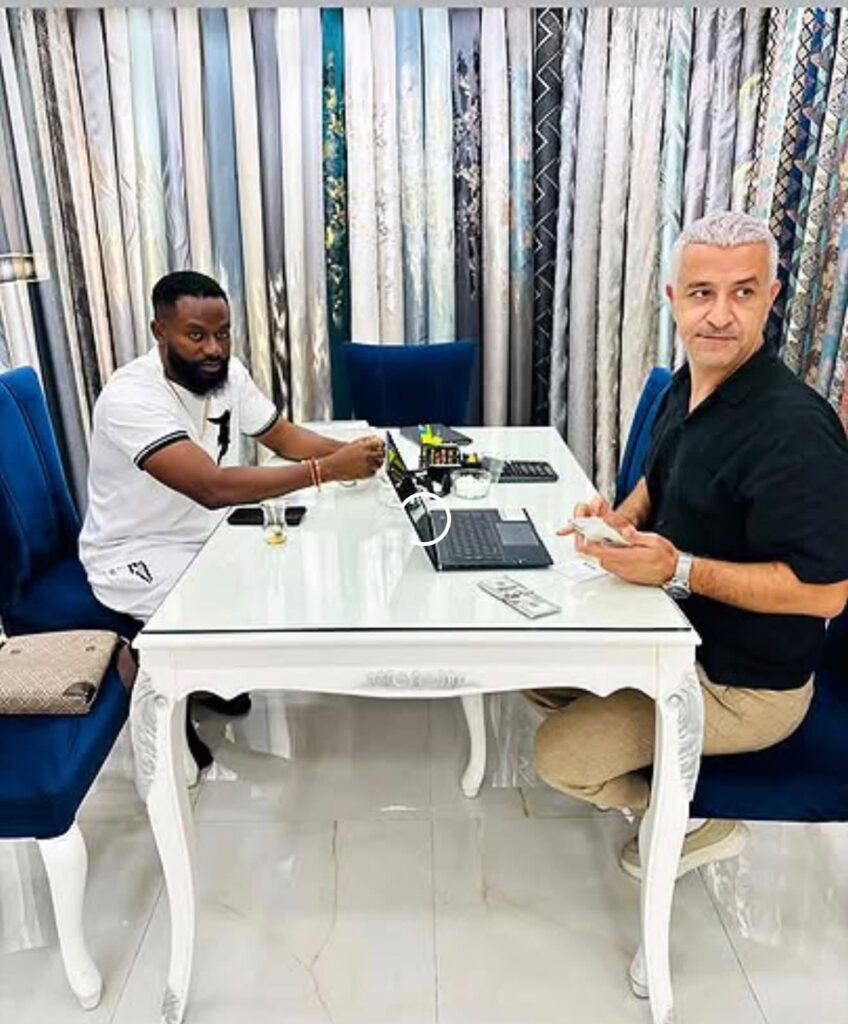
Interior design can sometimes feel like a language of its own. You hear words like sheer, blackout, layering, texture, focal point, and bespoke during a design conversation and may understand some while wondering about the rest. Knowing these terms makes it easier to explain what you want and make better decisions for your home. You do not need to become an interior designer, but understanding the basics can save you from expensive mistakes.
This is especially useful when choosing curtains, blinds, accessories, colours, and other home decor features. The more familiar you are with design language, the easier it becomes to communicate your ideas with a professional. It also helps you understand why certain recommendations are made for your space.
So, before your next home makeover, here are some interior design terms worth knowing.
1. Focal Point
A focal point is the feature that naturally attracts attention when you enter a room. It could be a beautiful window, a statement wall, a fireplace, a piece of artwork, or even an impressive piece of furniture.
Not every room needs several focal points. Too many competing features can make a space feel busy and confused. A good design usually allows one main feature to stand out while the other elements support it.
Your windows can easily become a focal point when they are dressed properly. Beautiful custom curtains, elegant curtain accessories, and the right installation can turn an ordinary window into something people notice for the right reasons.
2. Layering
Layering means combining different design elements to create depth and interest. In window design, this could mean pairing sheer curtains with heavier drapes.
The advantage is both practical and decorative. You can enjoy softer coverage during the day and greater privacy when needed.
Layering can also be used with cushions, rugs, lighting, textures, and other decor pieces. The secret is knowing when to stop so the room remains stylish rather than crowded.
3. Sheer Curtains
Sheer curtains are lightweight fabrics that allow some light to pass through while providing a degree of privacy. They create a soft and airy appearance without completely closing off the window.
They are particularly useful when you want your room to feel bright and open. They can also be paired with heavier curtains for a more complete window treatment.
If you love the idea of soft, elegant windows without making the room feel heavy, sheers are worth considering.
4. Blackout Curtains
Blackout curtains are designed to significantly reduce the amount of light entering a room. They are especially useful in bedrooms, home theatres, nurseries, and other spaces where light control is important.
They can also provide additional privacy and help create a more comfortable indoor environment. However, blackout curtains are not always necessary for every room.
Choosing the right window treatment depends on how you use the space. A professional recommendation can help you determine whether blackout, sheer, or layered curtains are more suitable.
5. Texture
Texture refers to how a material looks or feels. In interior design, texture helps prevent a room from looking flat or boring.
Think about the difference between smooth silk, soft velvet, woven fabrics, natural wood, and rough stone. Even when colours are similar, different textures can give a room more personality.
Curtains are an easy way to introduce texture. A carefully selected fabric can add warmth and sophistication without requiring major changes to the room.
6. Bespoke or Custom Made
Bespoke simply means something has been specially made to suit a particular person, space, or requirement.
In curtain design, custom made curtains are produced according to the measurements and design requirements of your windows. This gives you more freedom with fabric, colour, length, fullness, and finishing.
It can make a noticeable difference because your curtains are designed for your actual space rather than chosen from a standard size. At Ceejay Interiors, custom curtain solutions allow homeowners to create window treatments that fit beautifully into their existing decor.
7. Colour Palette
A colour palette is the group of colours used throughout a room or home. It may include a main colour, supporting shades, and accent colours.
A good colour palette does not mean everything must be the same colour. Different shades can work together to create contrast while maintaining harmony.
When selecting curtains, look beyond the walls. Consider your sofa, flooring, rugs, artwork, and other important elements before choosing a fabric colour.
8. Proportion
Proportion refers to how the size of one element relates to another. It is one of those design principles you may not consciously notice, but you will certainly feel when something looks wrong.
For example, very small curtains on a large window can make the room feel unbalanced. Similarly, oversized furniture in a small room can make the space feel cramped.
Good proportions make a room feel comfortable and intentional. This is one reason accurate measurements matter when installing curtains.
9. Statement Piece
A statement piece is an element designed to attract attention and give a room personality. It could be a bold chair, striking artwork, unusual light fixture, or beautifully designed curtain.
The key is moderation. If everything in the room is trying to make a statement, nothing really stands out.
A statement curtain can work beautifully when the rest of the room is relatively simple. It adds character without requiring several additional decorative pieces.
10. Window Treatment
Window treatment is a general term for products used to dress, cover, or enhance a window. Curtains, blinds, shades, shutters, and similar solutions all fall under this category.
Window treatments can serve several purposes at once. They can improve privacy, control light, add style, and contribute to the overall atmosphere of a room.
This is why choosing them should not be treated as an afterthought. The right window treatment can change the appearance and functionality of an entire room.
11. Accent
An accent is an element that adds a noticeable touch of colour, pattern, texture, or personality to a space. Accent colours are often used through cushions, artwork, rugs, curtains, or decorative accessories.
You do not need many accents to make a room interesting. One carefully chosen feature can be enough.
For example, neutral furniture can be brought to life with curtains in a rich complementary shade. It is a simple way to add personality without redesigning the entire room.
12. Finishing Touches
Finishing touches are the small details that complete a design. They may include curtain tiebacks, decorative rods, cushions, artwork, accessories, plants, or carefully selected lighting.
These details may seem minor, but they often make the difference between a room that feels unfinished and one that feels complete.
Good interior design is not always about adding more. Sometimes, it is about choosing the right final details.
A Little Design Knowledge Goes a Long Way
You do not need to memorise every interior design term before decorating your home. Understanding a few important ones, however, can make conversations with designers much easier and help you make more confident choices.
Whether you are choosing new curtains, updating your living room, or decorating an entire home, knowing what you want is a great place to start. And when you need professional guidance, Ceejay Interiors can help you turn those ideas into beautiful, practical spaces with custom curtains, curtain accessories, and home decor solutions delivered nationwide.
