

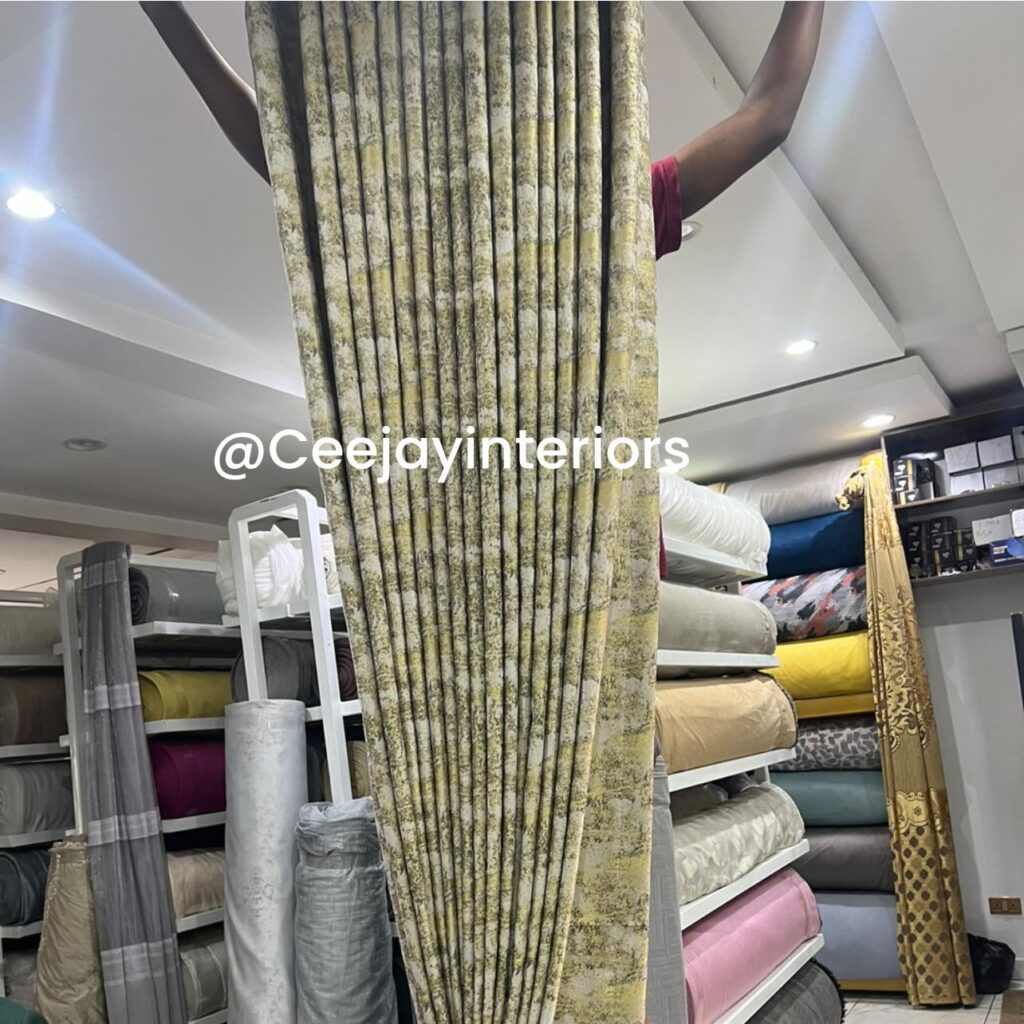
Imagine investing in beautiful curtains that perfectly complement your living room. The fabric is luxurious. The colour ties everything together. Guests compliment them every time they visit. Then one morning, you notice a faint musty smell. A few weeks later, tiny dark spots begin appearing along the folds. Before long, those stunning curtains that once elevated your space now look tired, stained, and neglected.
The culprit is not age. It is not poor design. It is moisture.
Mold and moisture are among the most overlooked threats to home décor. They work silently behind the scenes, often going unnoticed until significant damage has already been done. While many homeowners focus on selecting the right curtain style, colour, and accessories, very few consider what it takes to keep those curtains looking fresh, elegant, and healthy for years.
In Nigeria’s climate, where humidity, rainy seasons, and poor ventilation can create the perfect conditions for dampness, understanding how to protect your curtains from mold and moisture is essential. Whether you own luxurious floor-to-ceiling drapes, stylish sheer curtains, or custom-made window treatments, a little knowledge can save you from costly replacements and preserve the beauty of your interior spaces.
The good news? Protecting your curtains is not complicated. With the right habits, smart fabric choices, and a few professional tips, you can keep mold away and ensure your curtains remain as stunning as the day they were installed.
Let’s explore how.
Why Curtains Are Vulnerable to Mold and Moisture
Curtains act like giant fabric filters. Every day they absorb moisture from the surrounding air. They collect dust, trap humidity, and sit close to windows where condensation often forms.
Unlike furniture that can be easily wiped dry, curtain fabrics retain moisture within their fibres. This creates the perfect environment for mold spores to grow.
The most common conditions that encourage mold growth include:
- Poor ventilation
- High indoor humidity
- Water leaks
- Condensation on windows
- Damp walls
- Infrequent cleaning
- Thick fabrics that stay wet for extended periods
Once mold begins to develop, it spreads surprisingly fast. What starts as a few tiny spots can eventually affect large sections of fabric.
The Hidden Cost of Ignoring Moisture Problems
Many homeowners assume mold only affects appearance. Unfortunately, the consequences go much deeper.
Moisture-damaged curtains often suffer from:
- Permanent stains
- Unpleasant odours
- Fabric weakening
- Colour fading
- Premature wear and tear
- Allergens that affect indoor air quality
In severe cases, mold spores can contribute to respiratory discomfort, allergies, and other health concerns, especially for children and elderly family members.
A beautiful home should feel as healthy as it looks.
The First Warning Signs Most People Miss
Mold rarely appears overnight. It usually leaves clues long before visible damage becomes obvious.
Pay attention if you notice:
A persistent musty smell around your windows.
Curtains feeling damp even when there has been no rain.
Dark specks appearing along folds or hems.
Discolouration near window edges.
Condensation collecting regularly on glass surfaces.
These early signs are opportunities to act before significant damage occurs.
Ventilation: Your First Line of Defence
If moisture is the enemy, ventilation is the solution.
Fresh air circulation prevents humidity from building up indoors. Yet many homes unknowingly trap moisture by keeping windows closed for long periods.
Simple habits can make a significant difference.
Open windows whenever weather conditions permit.
Create cross-ventilation by opening windows on opposite sides of the room.
Use ceiling fans to improve air movement.
Keep furniture slightly away from walls to encourage airflow.
Allow sunlight into rooms whenever possible.
The goal is to prevent stagnant air from becoming a breeding ground for mold.
Choose Curtain Fabrics Wisely
Not all curtain fabrics respond to moisture in the same way.
Some materials naturally resist moisture better than others.
Lightweight synthetic fabrics often dry faster than heavier natural fibres. Linen blends and specially treated fabrics can also offer improved resistance to damp conditions.
When selecting curtains for areas prone to moisture, such as kitchens, bathrooms, or rooms with limited ventilation, fabric choice becomes extremely important.
At Ceejay Interiors, one of the key considerations during product selection is helping clients choose fabrics suited to their environment. A stunning curtain should not only look beautiful on installation day but remain beautiful for years afterwards.
Keep Curtains Away from Damp Surfaces
A surprisingly common mistake occurs when curtains constantly touch wet walls or condensation-covered windows.
Even high-quality fabrics can develop moisture issues when exposed to repeated dampness.
If you notice water regularly forming on your windows, address the source immediately.
Consider:
- Improving room ventilation
- Repairing leaking window seals
- Installing dehumidifiers
- Wiping condensation regularly
Sometimes protecting your curtains starts with protecting the environment around them.
Regular Cleaning Is More Powerful Than You Think
Dust and dirt may seem harmless, but they create ideal conditions for mold growth.
Dust particles trap moisture and provide nutrients for mold spores.
Routine cleaning significantly reduces this risk.
Vacuum curtains regularly using a soft brush attachment.
Shake out lightweight curtains periodically.
Follow manufacturer cleaning instructions.
Schedule professional cleaning for heavy drapes when necessary.
Many homeowners only clean curtains once visible dirt appears. By then, moisture-related problems may already be developing beneath the surface.
Sunlight: Nature’s Free Mold Prevention Tool
Mold dislikes sunlight.
Natural sunlight helps reduce moisture accumulation while limiting the conditions mold requires to thrive.
Whenever possible, allow sunlight to reach your curtains during the day.
This does not mean exposing delicate fabrics to harsh sunlight continuously, which can cause fading. Rather, periodic exposure to natural light can help maintain freshness and dryness.
This balance is particularly important in tropical climates where humidity levels remain elevated for much of the year.
Invest in Proper Curtain Installation
Surprisingly, installation plays a major role in moisture management.
Curtains mounted too close to windows may trap condensation between the fabric and the glass.
Proper spacing allows airflow and reduces moisture buildup.
Professional installation ensures that curtains not only hang beautifully but also function effectively within the room.
This is one reason many homeowners prefer working with experienced interior specialists rather than attempting complex installations themselves.
A professionally installed curtain system creates a healthier environment while enhancing the overall appearance of the space.
Areas of the Home That Need Extra Attention
Certain rooms naturally face higher moisture risks.
Kitchens
Cooking generates steam daily. Without adequate ventilation, moisture can quickly accumulate.
Choose easy-to-clean, moisture-resistant fabrics for kitchen windows.
Bathrooms
Bathrooms experience some of the highest humidity levels in the home.
Lightweight materials and proper ventilation are essential.
Laundry Areas
Washing and drying clothes introduce substantial moisture into the air.
Curtains in these spaces require regular monitoring.
Ground Floor Rooms
Rooms near damp foundations often experience elevated moisture levels.
Periodic inspections help identify problems before they escalate.
The Role of Dehumidifiers
In regions with persistent humidity, dehumidifiers can be a worthwhile investment.
These devices reduce airborne moisture and help maintain balanced indoor humidity levels.
Benefits include:
- Fresher air
- Reduced mold risk
- Improved fabric longevity
- Better overall comfort
Even portable units can significantly improve conditions in vulnerable rooms.
What to Do If Mold Has Already Appeared
If you discover mold on your curtains, act immediately.
Remove the curtains carefully.
Avoid shaking them indoors, which can spread spores.
Follow recommended cleaning procedures based on the fabric type.
For severe infestations, professional cleaning or replacement may be necessary.
Never ignore mold growth in the hope that it will disappear on its own. It rarely does.
Prevention Is Always Cheaper Than Replacement
Replacing premium curtains can be expensive.
Preventative care costs very little by comparison.
A few minutes spent improving ventilation, cleaning regularly, and monitoring moisture levels can add years to the life of your curtains.
Think of it as protecting an investment rather than performing a chore.
Why Quality Curtains Matter
Interestingly, the battle against moisture begins long before mold ever appears.
Superior curtain materials, proper lining, expert craftsmanship, and professional installation all contribute to longer-lasting performance.
Poor-quality fabrics often absorb moisture more readily and deteriorate faster under humid conditions.
This is why investing in quality window treatments pays dividends over time.
At Ceejay Interiors, every curtain solution is designed with both beauty and functionality in mind. Whether furnishing a modern apartment, a family home, an office, or a luxury residence, the goal is to provide products that maintain their elegance despite everyday environmental challenges.
Choosing the right curtains from the start can save homeowners significant maintenance costs and frustration in the future.
Conclusion
Mold and moisture may be invisible at first, but their effects eventually become impossible to ignore. The curtains that once elevated your space can quickly lose their charm when exposed to prolonged dampness.
Fortunately, prevention is within every homeowner’s reach.
Better ventilation. Smarter fabric choices. Routine cleaning. Prompt attention to moisture sources. These simple actions form a powerful defence against mold and moisture damage.
Beautiful curtains deserve protection. After all, they do far more than cover windows. They shape atmosphere, influence comfort, and help transform houses into homes.
When selecting curtains for long-term beauty, durability, and performance, choosing expertly crafted solutions from trusted professionals can make all the difference. The right curtain today can remain a stunning feature of your home for many years to come.
