

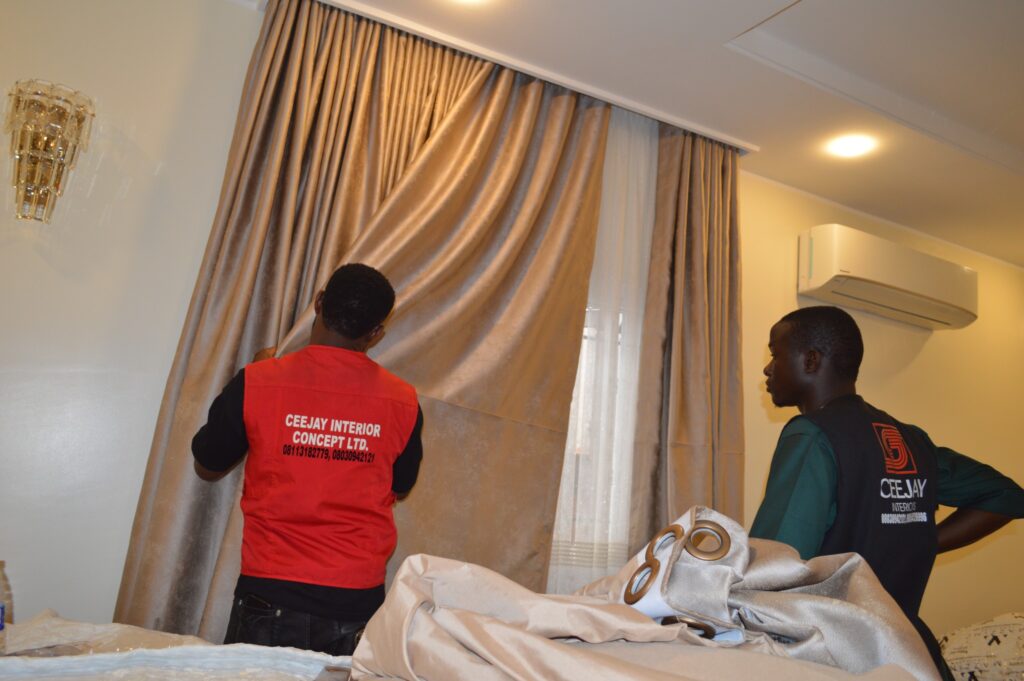
Walk into any beautifully decorated home and one thing quietly shapes the atmosphere before you even notice it, curtains.
They frame the windows, soften harsh lines, control natural light, add privacy, and often tie an entire room together. Yet, despite their importance, curtains are among the most neglected elements of home décor. Many homeowners spend time repainting walls, replacing furniture, and updating accessories while the same curtains continue hanging year after year.
This raises an interesting question: How often should you change your curtains?
The answer is not as straightforward as many people think. Unlike food, curtains don’t come with an expiration date. However, they do have a lifespan, and there comes a point when replacing them is not only beneficial for aesthetics but also for comfort, hygiene, and even energy efficiency.
If you’ve been staring at the same curtains for years and wondering whether it’s time for an upgrade, this guide will help you make an informed decision.
Curtains Are More Than Just Window Coverings
Many people view curtains simply as fabric hanging beside a window. In reality, they perform several important functions simultaneously.
Curtains protect interiors from excessive sunlight, provide privacy, reduce glare, contribute to room acoustics, improve insulation, and serve as a major design element.
Because they work so hard every day, they naturally experience wear and tear. Dust accumulates. Colors fade. Fabrics weaken. Trends evolve. Your lifestyle changes.
The curtains that looked perfect five years ago may no longer be serving your home the way they should.
The Average Lifespan of Curtains
On average, quality curtains can last anywhere between 5 to 10 years.
However, lifespan depends heavily on factors such as:
- Fabric quality
- Exposure to sunlight
- Frequency of cleaning
- Indoor humidity levels
- Presence of children or pets
- Overall maintenance
Premium custom-made curtains often outlast cheaper alternatives because of superior materials and craftsmanship.
This is one reason many homeowners are moving away from disposable décor and investing in quality window treatments that remain beautiful for years.
Seven Signs It’s Time to Replace Your Curtains
Sometimes your curtains will clearly tell you it’s time for a change.
1. Visible Fading
Sunlight is one of the biggest enemies of curtain fabrics.
Over time, ultraviolet rays break down fibers and cause colors to fade. Rich navy blues become dull. Elegant creams turn yellowish. Vibrant patterns lose their impact.
If your curtains no longer look as vibrant as they once did, replacing them can instantly refresh the room without requiring a complete redesign.
2. Fabric Damage
Inspect your curtains closely.
Do you notice:
- Tears
- Frayed edges
- Loose stitching
- Thinning fabric
- Small holes
These are signs that the fabric structure is weakening. Repairs may offer temporary relief, but replacement often becomes the smarter long-term solution.
3. Persistent Odors
Curtains absorb smells over time.
Cooking fumes, cigarette smoke, dust, moisture, and everyday household odors can settle deep into fabrics.
If your curtains still smell unpleasant even after professional cleaning, it may be time to replace them.
4. Outdated Style
Interior design evolves.
The heavy floral drapes that looked fashionable years ago may not complement today’s cleaner, more contemporary spaces.
Your home should reflect your current taste, not the trends of a previous decade.
Changing curtains is one of the quickest ways to modernize a room without undertaking expensive renovations.
5. Increased Allergies
Curtains act like giant air filters.
They trap dust, pollen, pet dander, and other airborne particles.
Over time, even regular cleaning may not remove deeply embedded allergens. If household members are experiencing increased allergies or respiratory discomfort, older curtains could be contributing to the problem.
6. Difficulty Operating Them
Curtains should move smoothly.
If opening and closing them has become difficult because of worn fabrics, damaged pleats, stretched materials, or outdated hardware, replacement may significantly improve functionality.
7. Your Room Feels Dull
Sometimes there isn’t a technical problem.
You simply walk into the room and feel uninspired.
That feeling matters.
Interior décor affects mood. If your curtains no longer excite you or contribute positively to your space, updating them can completely transform how the room feels.
How Different Rooms Require Different Replacement Schedules
Not all curtains age at the same rate.
Living Room Curtains
Living rooms often receive substantial sunlight and daily use.
A replacement cycle of approximately 5–7 years is common.
Bedroom Curtains
Because bedrooms generally experience less wear and fewer visitors, curtains may last closer to 7–10 years.
Kitchen Curtains
Kitchen curtains are exposed to grease, heat, moisture, and food odors.
These may need replacement every 3–5 years depending on usage.
Children’s Rooms
Children’s rooms often involve spills, stains, rough handling, and changing tastes.
Replacing curtains every 3–6 years may be necessary.
The Hidden Cost of Keeping Curtains Too Long
Many homeowners delay replacing curtains to save money.
Ironically, old curtains can become expensive.
Faded fabrics make rooms look older. Damaged materials reduce aesthetic appeal. Poor insulation can increase cooling costs. Outdated designs may lower the perceived value of your property.
A strategic curtain upgrade often delivers one of the highest visual returns on investment in interior décor.
Seasonal Updates vs Full Replacement
Not every update requires completely new curtains.
Sometimes a seasonal refresh is enough.
Consider:
- New tiebacks
- Decorative curtain rods
- Sheer layering
- Updated accessories
- Fresh curtain arrangements
These smaller changes can extend the visual life of your curtains while keeping your interiors interesting.
However, when fabric quality has deteriorated, replacement remains the better option.
Why Quality Matters More Than Frequency
A common mistake is purchasing cheap curtains repeatedly.
Low-quality curtains may seem affordable initially but often fade, shrink, and wear out quickly.
Investing in high-quality custom curtains provides better durability, superior appearance, and greater long-term value.
This is where working with experienced interior décor specialists becomes important.
Rather than choosing generic options, professionally tailored curtains can be designed specifically for your windows, lighting conditions, and décor style.
The result is a more polished and longer-lasting finish.
Modern Curtain Trends Worth Considering
If you’re planning to replace your curtains, consider some of today’s most popular styles.
Layered Curtains
Combining sheer and blackout panels creates flexibility and elegance.
Floor-to-Ceiling Designs
Longer curtains create the illusion of higher ceilings and larger spaces.
Neutral Color Palettes
Soft creams, greys, taupe, and earth tones continue to dominate modern interiors.
Textured Fabrics
Linen-inspired and woven textures add sophistication without overwhelming the room.
Smart Curtains
Motorized curtain systems are becoming increasingly popular in contemporary homes.
These options combine convenience, luxury, and energy efficiency.
How to Know You’re Ready for New Curtains
Ask yourself these questions:
- Have I had these curtains for more than five years?
- Do they still match my current décor?
- Have they faded significantly?
- Are they difficult to clean?
- Do they still make me proud of my space?
If you answered “yes” to several of these questions, it may be time to start exploring replacement options.
The Power of a Curtain Makeover
Homeowners are often surprised by how dramatically new curtains transform a room.
A fresh set of professionally selected curtains can:
- Brighten interiors
- Improve privacy
- Enhance comfort
- Increase property appeal
- Create a more luxurious atmosphere
Without changing furniture or repainting walls, the room suddenly feels new again.
That is the power of thoughtful window treatment design.
Making the Right Choice for Your Home
Choosing replacement curtains shouldn’t be rushed.
Consider your room size, lighting conditions, furniture style, wall colors, maintenance preferences, and lifestyle needs.
Professional guidance can help avoid costly mistakes and ensure your investment delivers both beauty and functionality.
At Ceejay Interiors, we understand that curtains are not merely decorative accessories—they are a vital part of how a home feels, functions, and reflects its owner’s personality.
Whether you’re updating a single room, furnishing a newly completed home, or transforming an entire property, selecting the right curtains can make a remarkable difference.
Our carefully curated collection of curtains, blinds, curtain accessories, and home décor solutions is designed to help homeowners create elegant, comfortable, and timeless interiors that remain beautiful for years.
Conclusion
So, how often should you change your curtains?
There is no universal timeline, but most quality curtains benefit from replacement every five to ten years depending on usage, condition, and changing design preferences.
Rather than waiting until your curtains are visibly falling apart, pay attention to subtle signs such as fading, outdated styles, trapped odors, and reduced functionality.
A well-timed curtain upgrade doesn’t just improve your windows. It revitalizes your entire living environment.
Sometimes, the simplest way to make your home feel brand new is not by changing everything.
It’s by changing the one thing you’ve stopped noticing.
Your curtains.
